Know before you pour.

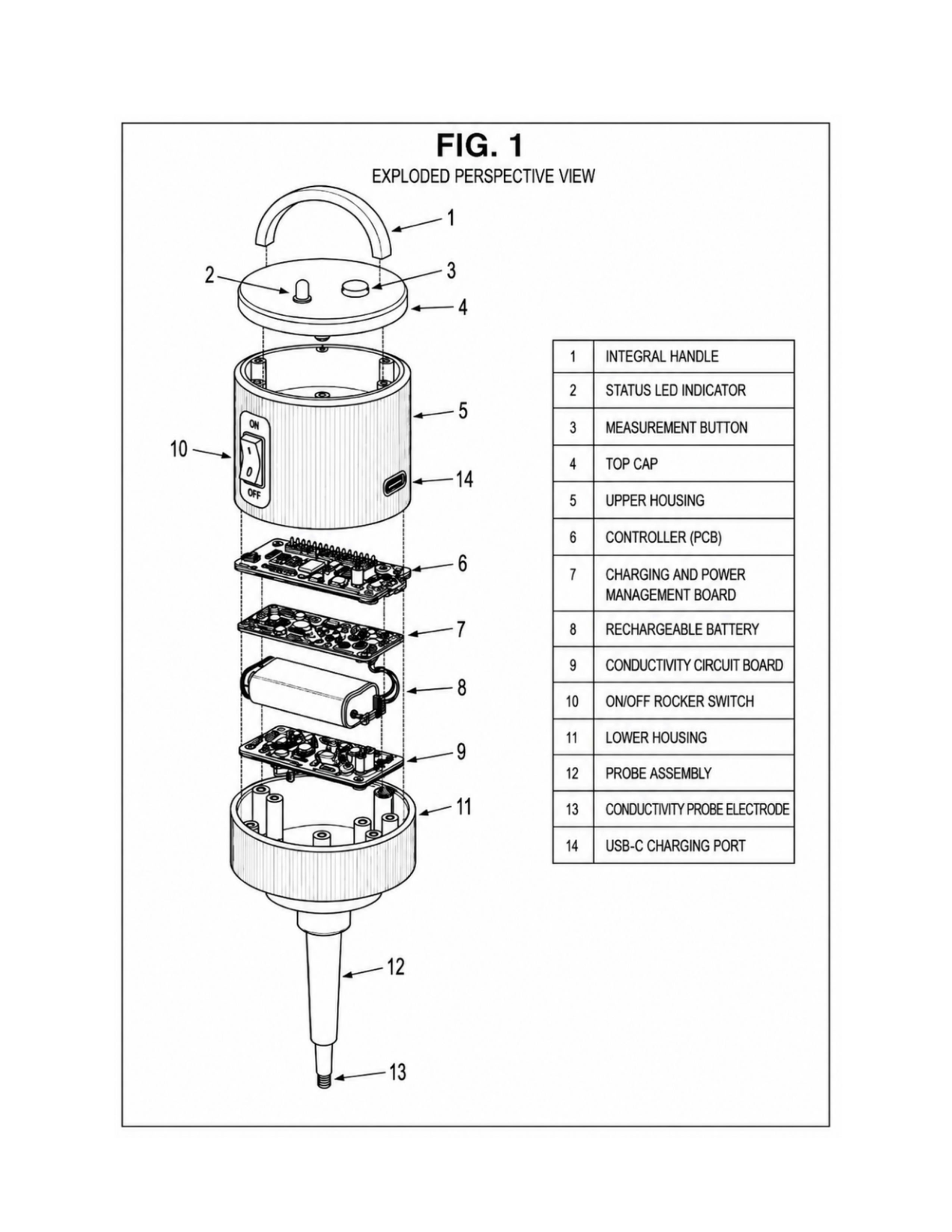
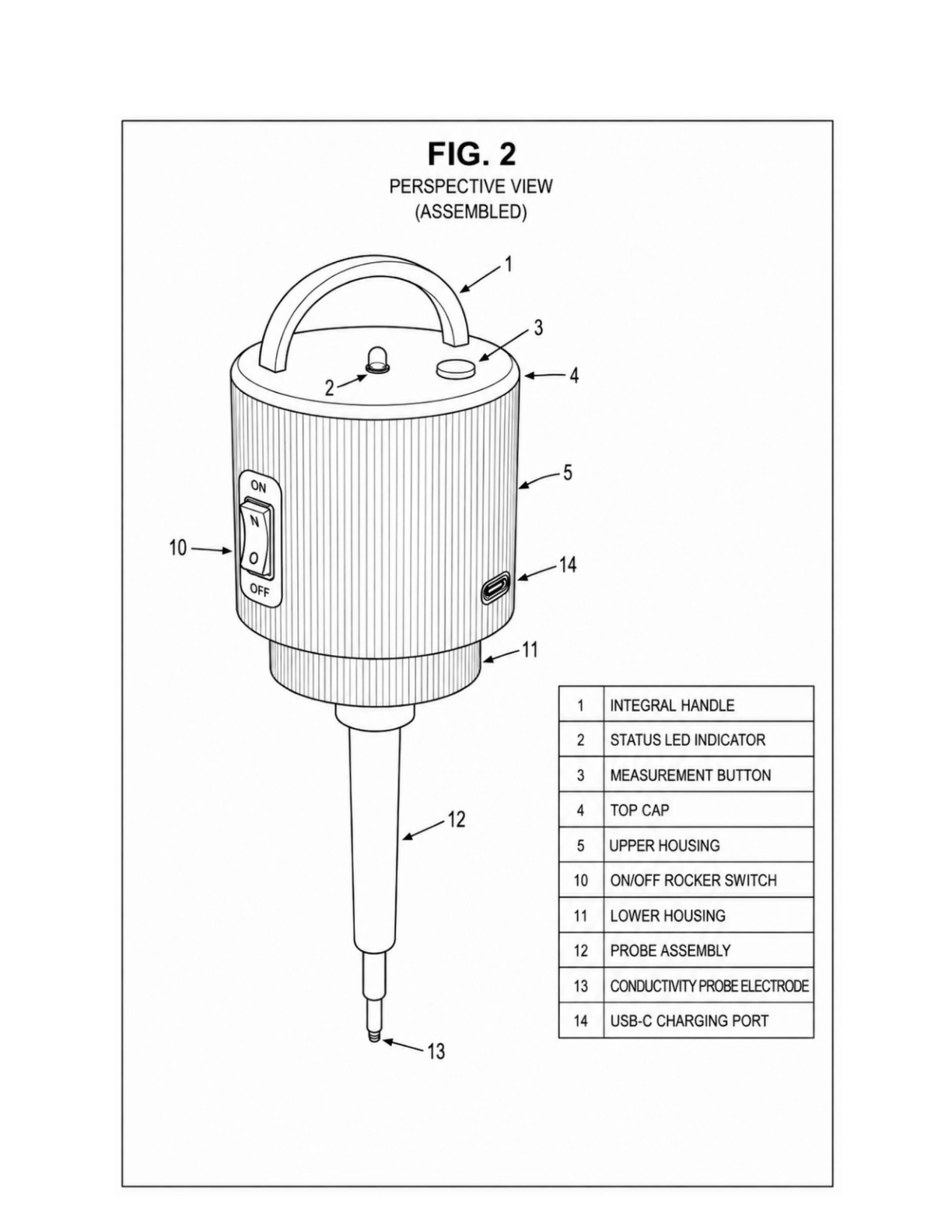
BioCap is a conductivity-based milk spoilage detection system created for a CIJE Innovation Day capstone project. It helps users know before they pour by tracking how milk conductivity changes as spoilage progresses and translating those measurements into a simple freshness status.

1 cap Simple concept interface built around the bottle users already know.
Fast read Designed to convert sensor behavior into an instant signal.
Less waste Potential to reduce unnecessary disposal from uncertainty alone.
Why BioCap

We turn chemistry into a clear decision.

Milk spoilage is difficult to judge with confidence. BioCap proposes a smarter cap that measures electrical conductivity, compares the result to a fresh baseline, and helps users know before they pour instead of relying only on the smell test or printed dates.

01 / Problem

Expiration dates are limited.

Printed dates estimate quality, but actual storage conditions vary. A dynamic cap could offer a more useful real-time indication of product condition.

02 / Concept

A cap that measures conductivity.

As bacteria metabolize lactose, they produce acids that release more mobile ions into the milk. That increase in ionic strength raises conductivity, giving BioCap a measurable spoilage signal.

03 / Impact

Safer choices, less waste.

If users can check freshness more confidently, they may throw out less good milk and catch spoiled milk earlier when it matters.

Interactive Demo

Move the reading. Watch the cap respond.

Conductivity simulator

Adjust the slider to change delta conductivity in microSiemens per centimeter. The cap compares that value to a fresh baseline and classifies the milk as fresh, borderline, or spoiled.

Fresh

Sample looks stable.

Sample A behavior: a small rise from baseline suggests minimal bacterial activity, so the cap reports a fresh reading with high confidence.

Baseline 4850 uS/cm
Current 4920 uS/cm
Confidence 95%
How It Works

Simple to understand, grounded in sensing.

Step 1

Bacteria produce acidic byproducts.

As milk spoils, bacterial metabolism produces acids such as lactic acid, increasing the number of mobile ions in the liquid.

Step 2

Conductivity rises.

More free ions in the milk increase electrical conductivity, giving the system a measurable signal tied to spoilage progression.

Step 3

BioCap compares delta from baseline.

The system first establishes a fresh baseline, then measures delta conductivity so it can account for natural variation between different milk samples.

Step 4

Thresholds classify the sample.

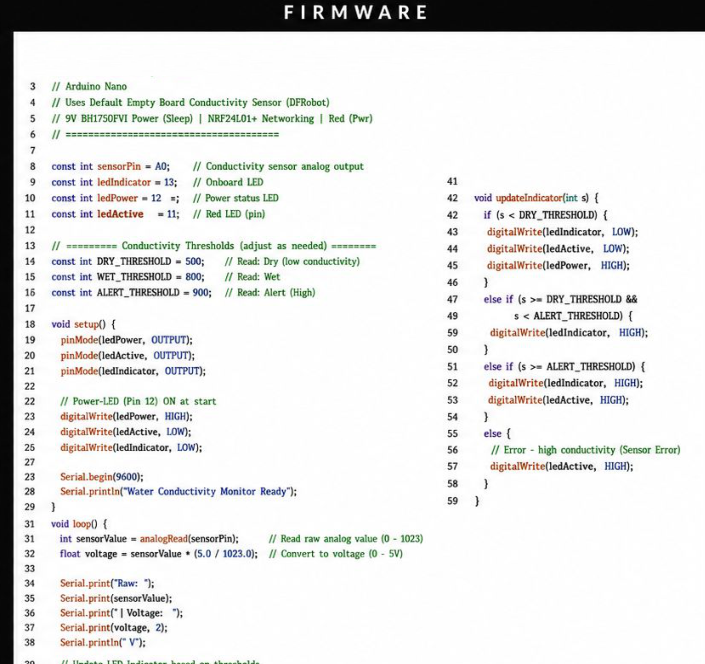
Fresh is below 150 uS/cm, borderline is 150 to 400 uS/cm, and spoiled is above 400 uS/cm, with temperature correction applied near a 20 C reference.

Prototype Media

The BioCap build.

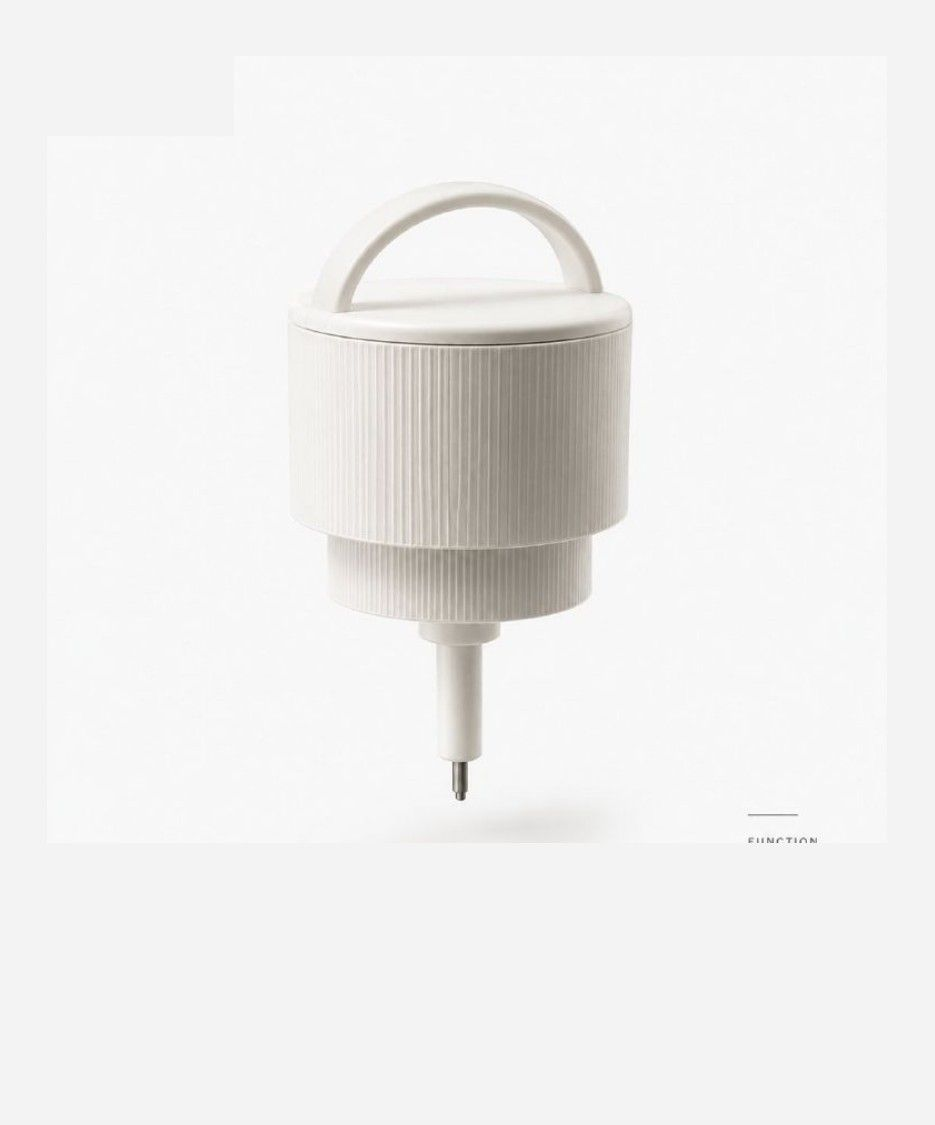
BioCap prototype assembled inside a cap housing
Featured Prototype
Top view of the BioCap prototype
Angled handheld view of the BioCap prototype
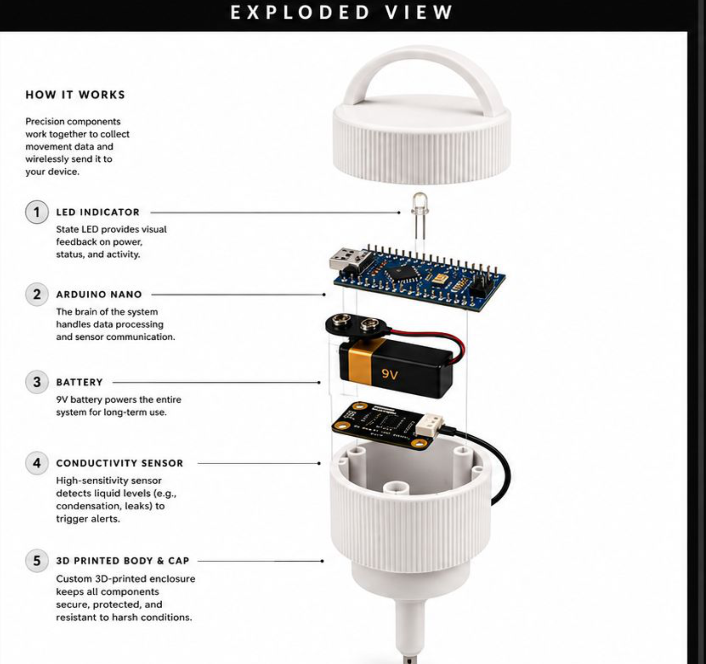
BioCap electronics seated inside the cap
Underside view of the BioCap probe assembly
Team

The people behind BioCap.

David Rabinow photo Inventor & project lead

David Rabinow

Creator, original inventor, and lead developer of BioCap. Conceived the idea, led the product design, and directed the development of the prototype.

Effie Neuman photo Project collaborator

Effie Neuman

Project collaborator who assisted with development, testing, and presentation of the BioCap prototype.

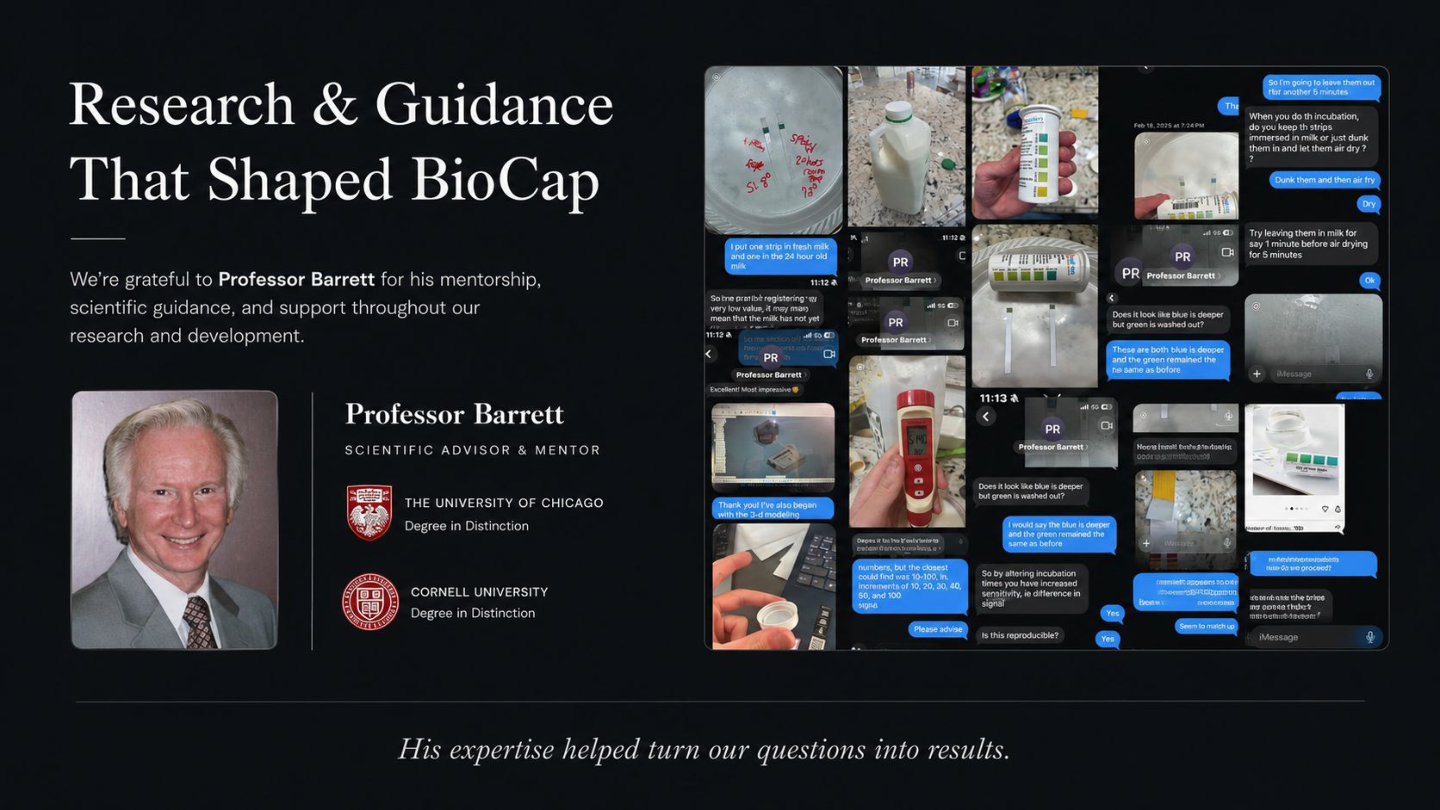
Faculty advisor

Mr. Goldenberg

Faculty advisor for the BioCap project, providing guidance, feedback, and technical support throughout development.